



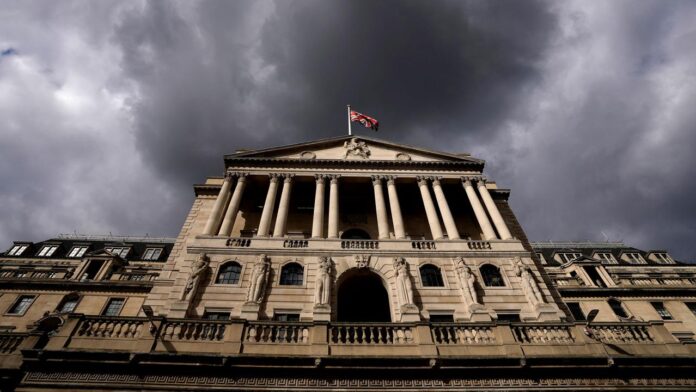
• The Bank of England has dropped its proposed £20,000 individual stablecoin holding cap.
• A temporary £40 billion issuance limit will apply to each systemic stablecoin.
• Issuers will be permitted to hold up to 70% of reserves in short-term UK government debt.
• Final rules are expected by the end of 2026, with implementation targeted for 2027.
• The framework applies only to systemic stablecoins, with the FCA overseeing non-systemic issuers.
The Bank of England has eased key elements of its proposed stablecoin framework, removing controversial user holding limits and loosening reserve requirements as policymakers seek to support innovation while maintaining financial stability.
The revisions, published on June 22 as part of the Bank’s latest policy statement and draft Code of Practice, mark a notable shift from earlier proposals that industry participants warned could undermine the viability of regulated sterling-backed stablecoins.
Bank of England Abandons User Holding Limits
The most significant change is the removal of proposed individual holding caps that would have restricted users to holding no more than £20,000 in regulated stablecoins.
The measure had drawn widespread criticism from fintech firms, payment providers and digital asset companies, which argued that user-level restrictions would discourage adoption and make UK-issued stablecoins less competitive than international alternatives.
Instead, the Bank has shifted toward a macro-prudential approach focused on monitoring systemic risks at the aggregate level rather than imposing limits on individual consumers and businesses.
The decision reflects growing recognition among policymakers that stablecoins may play an increasingly important role in future payment infrastructure and digital commerce.
New £40 Billion Issuance Threshold Introduced
In place of personal holding limits, the Bank introduced a temporary issuance guardrail of £40 billion for each systemic stablecoin.
The threshold is designed to act as a financial stability safeguard as the market develops, limiting the size of individual stablecoins until regulators gain greater confidence in the sector’s resilience and impact on credit creation.
Officials indicated that the guardrail will be reviewed over time and could eventually be removed if systemic risks are adequately addressed.
The approach allows stablecoins to scale while preserving regulatory oversight during the industry’s early stages of development.
FReserve Rules Become More Flexible
The Bank also relaxed reserve requirements that many industry participants viewed as overly restrictive.
Under the revised framework, issuers may now hold up to 70% of reserve assets in short-term UK government securities, compared with the 60% allocation proposed during earlier consultations. The remaining 30% must be maintained in non-interest-bearing deposits at the Bank of England to support immediate redemption needs.
The change significantly improves the economics of stablecoin issuance by allowing a larger share of reserves to generate yield while preserving liquidity and redemption capacity.
Market participants had argued that requiring excessive allocations to central bank deposits would have made UK-regulated stablecoins commercially difficult to operate compared with competitors in other jurisdictions.
Regulatory Framework Takes Shape
The Bank of England’s framework applies specifically to stablecoins deemed systemic, meaning their failure could pose risks to broader financial stability.
Non-systemic stablecoins will remain under the supervision of the Financial Conduct Authority, creating a dual regulatory structure that mirrors approaches being adopted in other major financial centers.
According to Deputy Governor Sarah Breeden, the objective is to create a trusted form of digital money that offers reliable redemption, strong consumer protections and operational resilience while supporting innovation across payments and tokenized finance.
UK Positions Itself in Global Stablecoin Competition
The revisions arrive as major jurisdictions accelerate efforts to establish regulatory frameworks for digital assets.
The European Union has already implemented Markets in Crypto-Assets (MiCA) regulations, while the United States continues advancing implementation of the GENIUS Act. Against that backdrop, the UK faces increasing pressure to remain competitive in attracting stablecoin issuers, payment providers and tokenization projects.
By removing user-level restrictions and improving reserve flexibility, the Bank of England has moved closer to international regulatory standards while preserving safeguards aimed at protecting financial stability.
With consultations remaining open until September 22 and final rules expected before year-end, the UK is now laying the groundwork for regulated stablecoins to begin operating at scale from 2027.
The latest revisions suggest policymakers are no longer asking whether stablecoins should be part of the financial system, but rather how they can be integrated safely into it.