



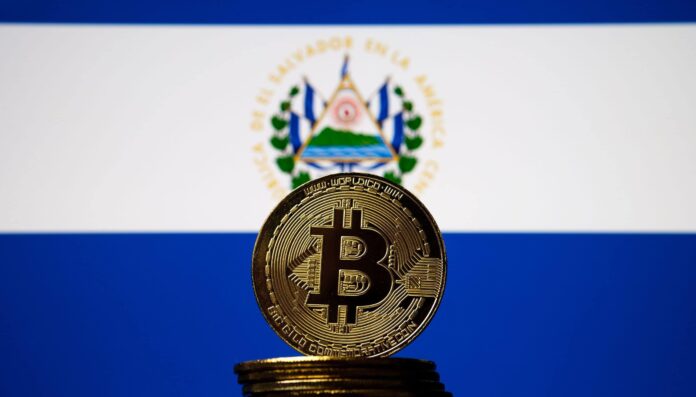

- El Salvador’s ambassador met Miami’s mayor to discuss bitcoin policy, investment ties, and incentives for technology firms today.
- Bitcoin legal tender became voluntary after IMF negotiations; government claims daily BTC purchases and reserves above $600 million.
El Salvador and Miami are testing a practical bridge between policy and capital. This week, El Salvador’s ambassador, Milena Mayorga, met with Miami mayor Francis Suárez to discuss bitcoin and the model promoted by President Nayib Bukele.
According to Mayorga, Suárez credited El Salvador’s international positioning to its bitcoin strategy and its security plan, and expressed interest in visiting the country to review outcomes on the ground. In his own post on X, Suárez highlighted efforts to strengthen ties with local firms and with the Salvadoran diaspora in South Florida, but he did not mention bitcoin.
El alcalde de Miami, Francis Suárez, señaló que el posicionamiento de El Salvador ante el mundo, es gracias a la estrategia bitcoin del Presidente @nayibbukele y al plan de seguridad.
Manifestó también su deseo de visitar nuestro país, y conocer las transformaciones que están… pic.twitter.com/qbB9uazQTs
— Milena Mayorga (@MilenaMayorga) August 26, 2025
El Salvador adopted bitcoin as legal tender in 2021. Later, an agreement with the IMF removed the obligation for merchants to accept it, converting acceptance into a voluntary choice under an adjusted legal framework. The government still reports a national bitcoin reserve valued at more than USD 600 million and states that it purchases one bitcoin per day. The IMF, however, has questioned the transparency of these reports and has suggested that holdings remain unchanged.
Mayorga addressed the legal status in a recent podcast. She said bitcoin is no longer mandatory legal tender, which she framed as a step to facilitate talks with international bodies. She also stated that day-to-day usage persists—groceries and other payments remain possible in BTC—positioning the asset as a practical option for retail transactions.
Meanwhile, Miami is exploring business incentives such as tax exemptions to attract technology firms. The bitcoin angle functions as an entry point: it helps open doors with investors and encourages partnerships across payments, custody, and remittances. The meeting also extends a line established in April, when Bukele met with Donald Trump to discuss crime reduction and digital finance cooperation.
For now, hard details are pending. There is no confirmed date for Suárez’s visit and no public agreement on bitcoin programs. Even so, the signal is clear: El Salvador seeks investment and policy allies; Miami seeks growth channels. Between them sits bitcoin—part symbol, part instrument—linking a marketing pitch to cash-flow decisions.




