

The U.S. Securities and Exchange Commission has moved to impose long-term leadership restrictions on three former senior executives of the collapsed crypto exchange FTX.
In proposed final consent judgments announced this week, the SEC is seeking to bar the individuals from serving as officers or directors of public companies for several years.
The settlements were filed in the Southern District of New York and now await court approval before taking effect.
Proposed Officer-and-Director Bans
The SEC’s filings outline different ban lengths tied to each executive’s role and level of cooperation.
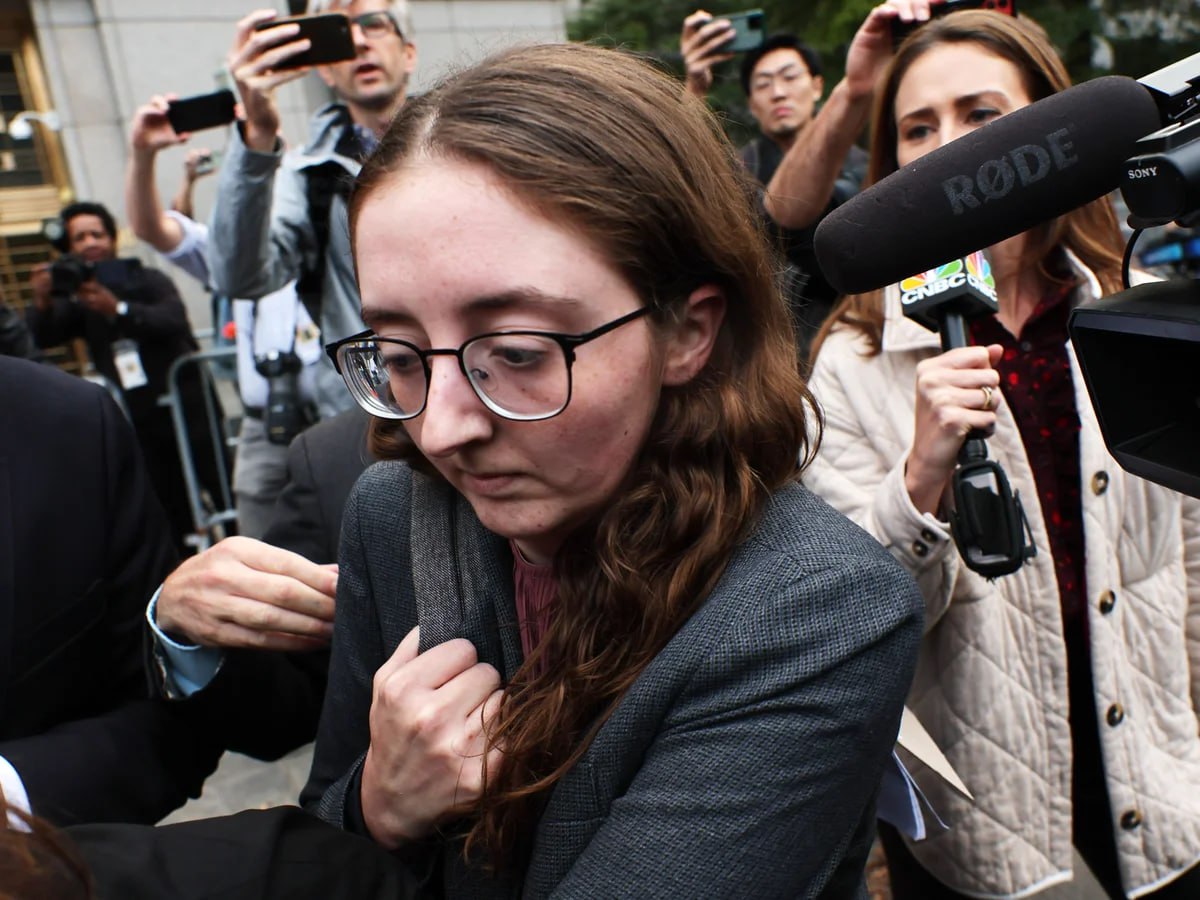
Caroline Ellison, the former CEO of Alameda Research, has agreed to a 10-year officer-and-director bar, the longest among the three.
Gary Wang, FTX’s former chief technology officer, has agreed to an 8-year ban from serving in senior leadership roles at public companies.
Nishad Singh, who led engineering at FTX, has also agreed to an 8-year officer-and-director bar.
In addition to these restrictions, all three individuals consented to permanent injunctions prohibiting future violations of federal antifraud laws, as well as five-year conduct-based injunctions that limit certain professional activities.
SEC Allegations Behind the Settlements
According to the SEC, the former executives participated in a multi-year scheme to defraud investors, centered on the misuse of customer funds. The agency alleges that assets deposited on FTX were diverted to Alameda Research, where they were used for trading activities and personal expenditures.
The proposed judgments resolve the SEC’s civil claims without the defendants admitting or denying the allegations, a standard feature of many regulatory settlements.
How This Fits With Criminal Cases
The civil actions follow the conclusion of related criminal proceedings. Ellison was sentenced to two years in prison, while Wang and Singh each received time served, reflecting their extensive cooperation with prosecutors during the case against Sam Bankman-Fried.
The SEC’s move adds a regulatory layer of accountability on top of those criminal outcomes, focusing on future market integrity rather than incarceration.
What Happens Next
The proposed consent judgments are not yet final. They must be approved by a federal judge before the bans and injunctions become enforceable.
If approved, the restrictions would effectively sideline the former executives from leadership roles in public companies for much of the next decade, reinforcing the SEC’s message that senior executives can face long-lasting consequences for misconduct in crypto markets.