




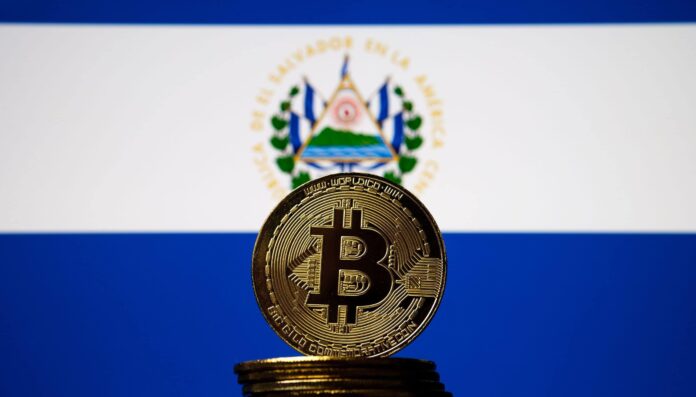

Tensions between El Salvador and the International Monetary Fund appear to be easing, as the IMF has publicly acknowledged the country’s improving economic outlook and stronger fiscal discipline.
The shift comes despite El Salvador’s continued accumulation of Bitcoin, a policy that once stood at the center of sharp disagreements between the two sides.
According to the IMF, El Salvador’s economy is now expanding faster than previously expected. Real GDP growth for 2025 is projected at around 4%, reflecting stronger fundamentals than earlier forecasts suggested.
Stronger Growth Changes the Narrative
The IMF highlighted several factors behind the improved outlook. Economic momentum has been supported by robust remittance inflows, rising investment levels, and notable improvements in domestic security conditions. Together, these elements have contributed to a more stable macroeconomic environment, easing some of the concerns that previously dominated IMF discussions.
This stronger performance has given El Salvador more credibility in ongoing negotiations, shifting the focus away from immediate risk warnings toward longer-term fiscal sustainability and reform progress.
Bitcoin Talks Move From Confrontation to Coordination
While the IMF has historically been critical of El Salvador’s Bitcoin adoption, its tone has noticeably softened. Rather than opposing the strategy outright, the Fund now emphasizes progress in discussions around transparency, protection of public finances, and risk mitigation related to Bitcoin-related policies.
This change suggests that Bitcoin itself is no longer the sole focal point. Instead, the IMF appears more concerned with how digital asset exposure is managed within a broader fiscal and regulatory framework.
Policy Concessions Unlock IMF Support
As part of negotiations tied to a potential $1.4 billion IMF loan package agreed in March 2025, El Salvador has made several key concessions. Bitcoin acceptance by private businesses is no longer mandatory, removing one of the IMF’s most vocal objections. Additionally, the government is in advanced talks to sell the state-run Chivo wallet, further reducing direct public-sector exposure to crypto operations.
These steps signal a willingness to compromise without fully abandoning the country’s digital asset ambitions.
Bitcoin Accumulation Continues Regardless
Despite the concessions, El Salvador has not paused its Bitcoin accumulation strategy. In November 2025 alone, the government added more than 1,000 BTC, bringing total holdings to approximately 7,474 BTC.
This dual approach, maintaining Bitcoin purchases while adjusting surrounding policies, suggests a deliberate effort to balance innovation with external financial expectations rather than choosing one at the expense of the other.
A Delicate Balance Going Forward
The IMF’s shift in tone reflects growing recognition that El Salvador is attempting to integrate digital asset experimentation within a more disciplined macroeconomic framework. Rather than forcing an abrupt reversal, the current approach allows Bitcoin exposure to coexist with fiscal reform, transparency measures, and international cooperation.
If economic performance continues to exceed expectations, El Salvador’s model may increasingly be viewed less as a risk case and more as a controlled experiment in blending unconventional policy with traditional financial oversight.



