
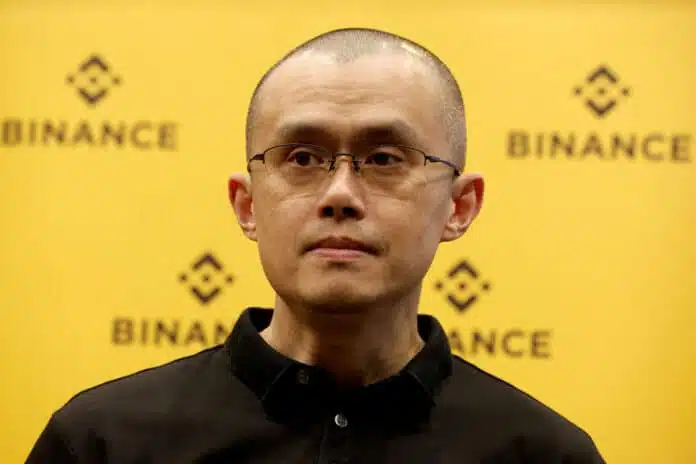

After months of inactivity, Binance founder Changpeng Zhao’s high-profile donation wallet has once again become a focus of the crypto community. According to on-chain data, Zhao burned roughly $49,000 in random memecoins that had been airdropped to his wallet by various small projects hoping for publicity.
This marks the first token burn from the address in seven months, signaling a renewed effort to clear unsolicited assets. The wallet contained a mix of low-cap tokens, primarily QUQ, SIREN, and BNBCARD, all of which were sent to a designated burn address, permanently removing them from circulation and effectively erasing them from the blockchain.
Just cleaning up the wallet. The donation address only keeps #BNB. Next time, I might choose to market sell any meme coins received.
Do not send tokens to the address if you don't want them to be sold on the market https://t.co/nvK94tyAMu
— CZ 🔶 BNB (@cz_binance) November 9, 2025
“I’m Just Cleaning My Wallet,” Says CZ
Following widespread attention on social media, CZ confirmed that the move was deliberate. He emphasized that the donation wallet was created specifically to hold BNB, Binance’s native token, and not to store or promote other assets.
“I’m just cleaning out my wallet,” Zhao explained. “The donation address only holds BNB. Next time, I may choose to sell memecoins sent to me directly on the market. If you don’t want them to be sold, don’t send memecoins to this address.”
His statement served both as a clarification and a warning to token creators who use unsolicited airdrops, often referred to as “airdrop spamming”, to attract attention or feign association with well-known figures in crypto.
Airdrop Spamming: A Growing Trend
The practice of sending tokens to celebrity or influencer wallets has become increasingly common among small-cap and memecoin projects seeking instant visibility. By sending tokens to wallets belonging to high-profile figures like CZ, Elon Musk, or Vitalik Buterin, developers hope to generate false credibility or viral attention if blockchain trackers or analytics accounts flag the transactions.
However, CZ’s firm response underscores the growing frustration among industry leaders toward such tactics. His warning, that future unsolicited tokens may be sold instead of burned, could deter projects from attempting the same strategy again, as it risks their tokens being dumped directly into the market.
A Subtle Message to the Market
While the total burned value of $49,000 is relatively small compared to Binance’s scale, the act carries a symbolic message about accountability and respect within the crypto ecosystem. By choosing transparency and on-chain verification of the burn, CZ reinforced Binance’s image of disciplined wallet management and operational integrity.
It also highlights how unsolicited marketing attempts can backfire, turning what was meant to be free exposure into a public relations embarrassment and a direct financial loss for the projects involved.